
slowness helps you see and feel
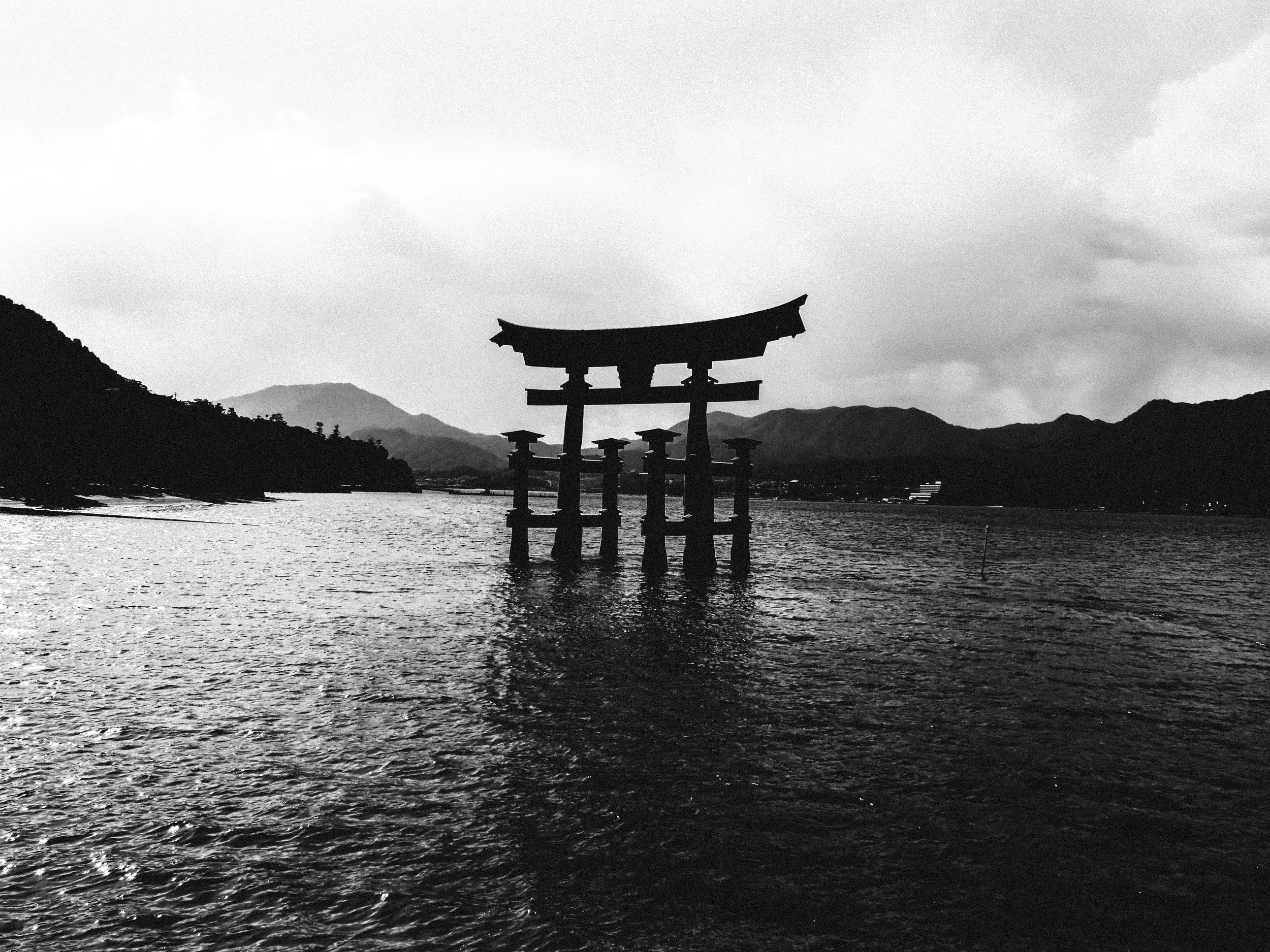
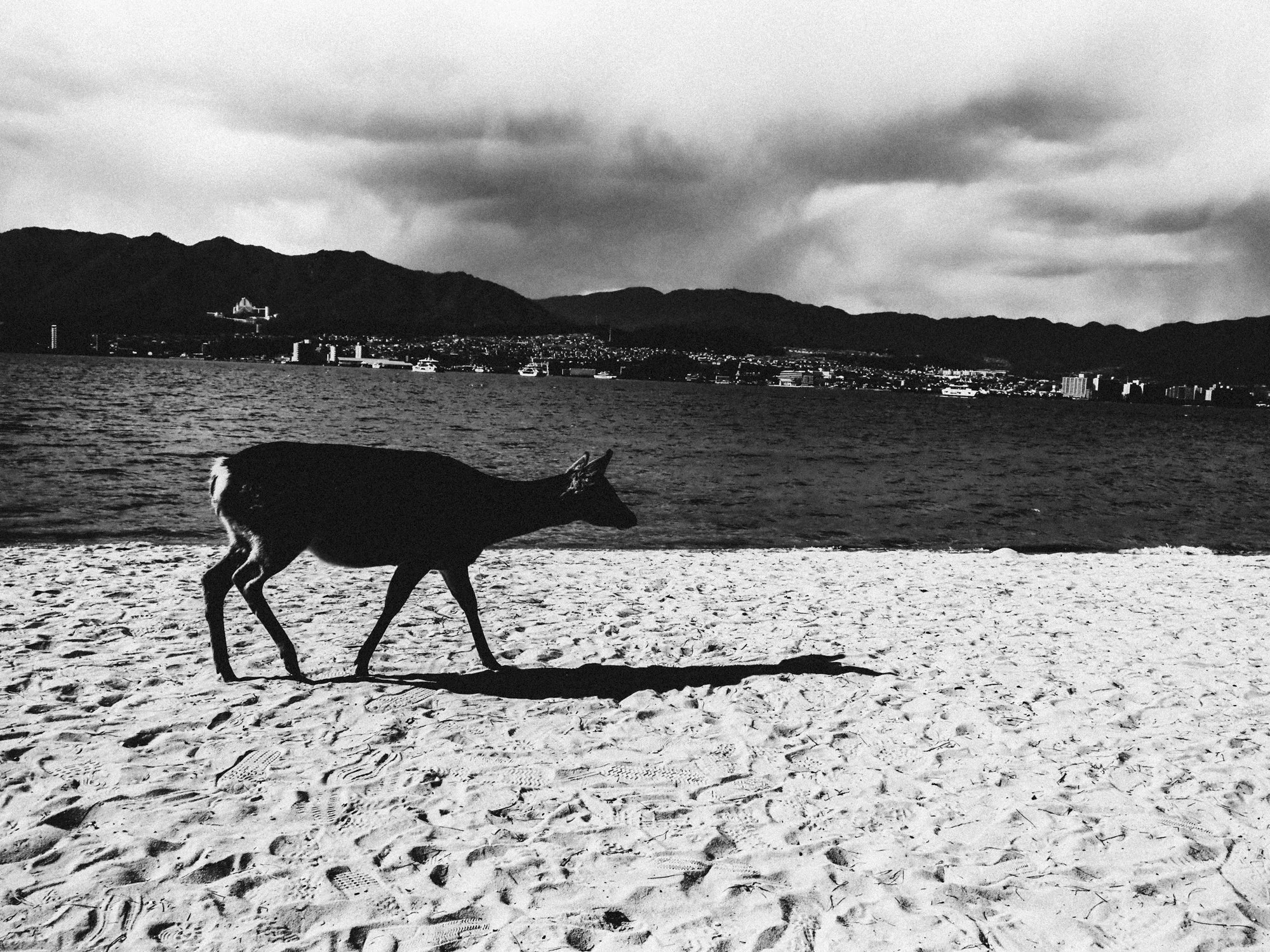
Miyajima, Japan, 2026 ©Esa Ylijaasko (Fujifilm X half)
I had not owned a digital camera in quite some time.
For years, photography had moved in another rhythm for me. If I carried a camera at all, it was usually because I was already inside a project. A camera was not something I brought along casually. And I certainly was not walking around with a 4x5 unless the work itself required that kind of weight, slowness, and commitment.
In Japan, something shifted.
I began to feel that I wanted a camera with me again. Not for a major production or carefully structured body of work, but for the spaces in between. For walking. For wandering. For the moments that arrive quietly and disappear just as quickly.I wanted something small and pocket-sized, easy to carry everywhere, and open enough to let intuition guide the images rather than overthinking every frame.
That is where the Fujifilm X Half entered the picture.
This is not a commercial or paid endorsement in any form. I am writing about it simply because it surprised me. Not by trying to be everything, but by being limited in exactly the right ways.
In fact, its limitations are what make it interesting.
There is something about modern digital photography that can easily become too frictionless. Too immediate. Too endless. You take a picture, review it instantly, adjust, repeat, refine, repeat again. The image becomes less of a moment and more of an ongoing negotiation. That way of working has its place, but it can also pull you out of the actual act of seeing.
What I found compelling in the X Half was its refusal to fully serve that habit.
The film mode, especially, changed the feeling of photographing. When you commit to a film simulation and move through the camera in that mode, something subtle but important returns: anticipation. The 36-frame structure brings back a small sense of consequence. You are no longer floating in the limitless comfort of endless retries. You begin to feel that each frame matters a little more.
That changes the rhythm.
You stay inside the photograph longer. You look more carefully before pressing the shutter. You hesitate in a productive way. Not because of fear, but because the image asks for a little more presence.
Oddly enough, that is what made the camera feel familiar to me.
Of course, the Fujifilm X Half has nothing to do with a 4x5 camera in any literal sense. It is small, light, playful, and made for an entirely different use. But the mentality it can create is not completely unrelated. It asks for restraint. It slows down the impulse to overproduce. It reminds you to stop, look, consider, and then take the frame.
That is a mindset I trust.
And in Japan, it felt right.
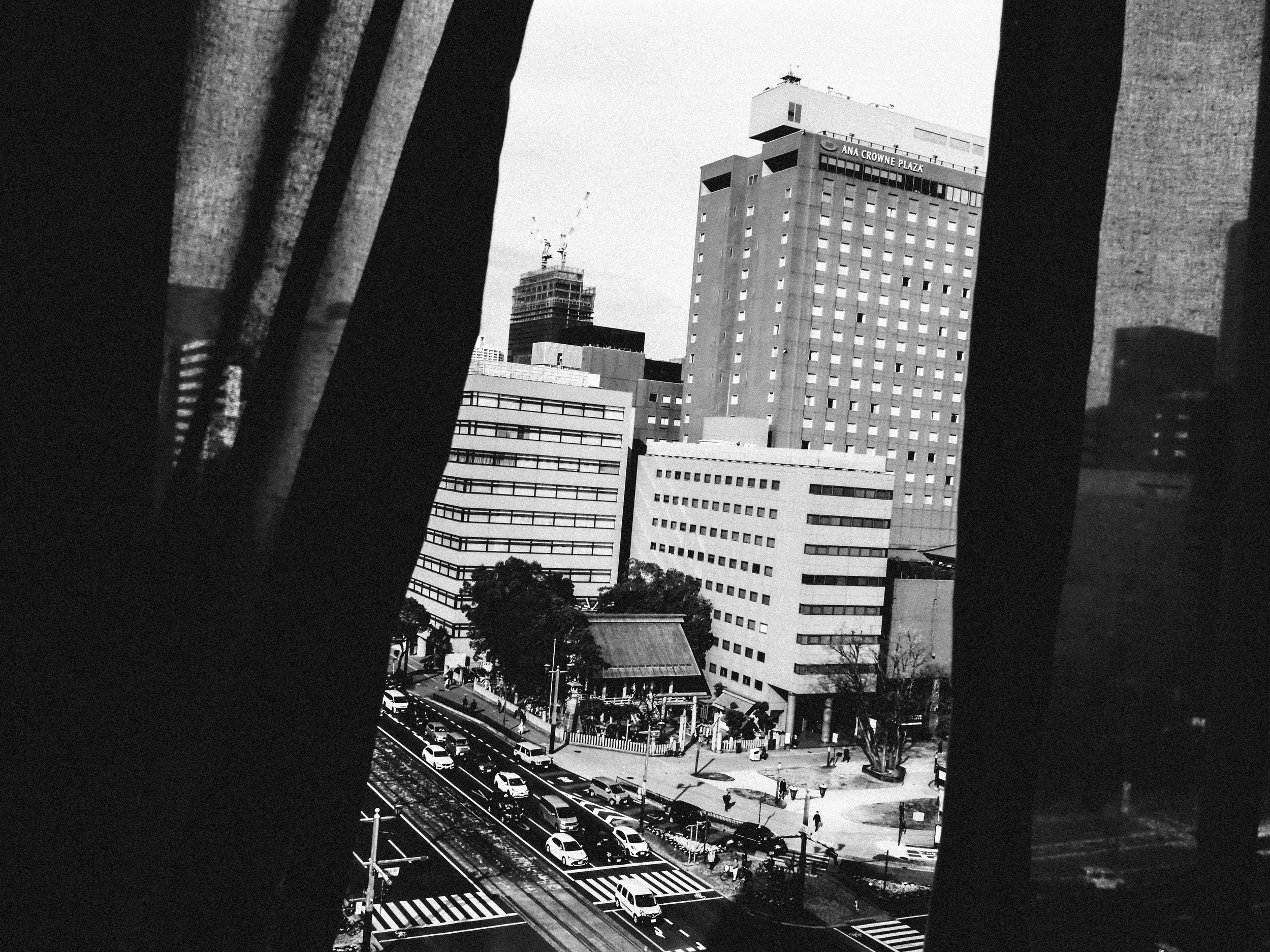
Hiroshima, Japan, 2026. ©Esa Ylijaasko (Fujifilm X Half)
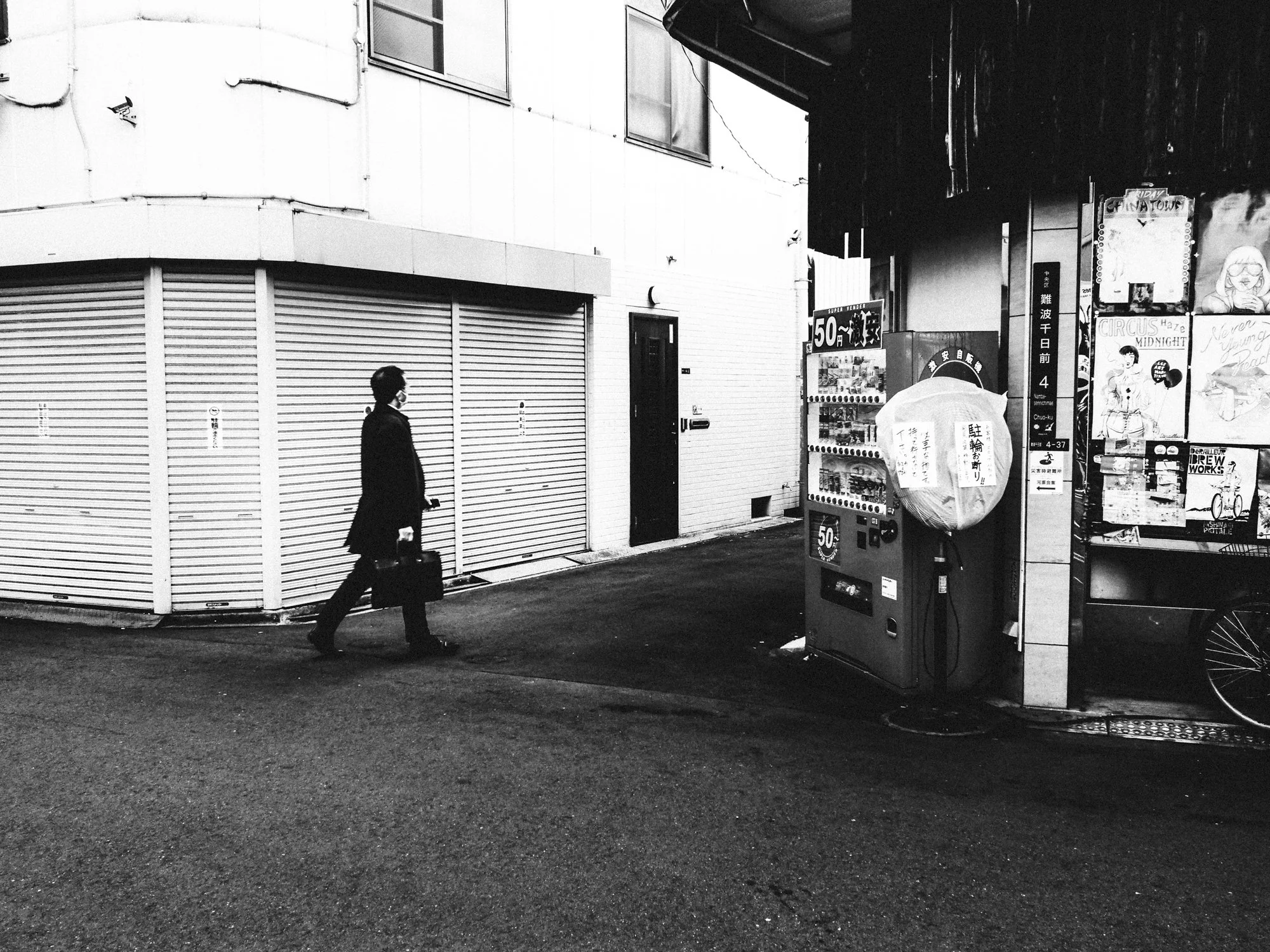
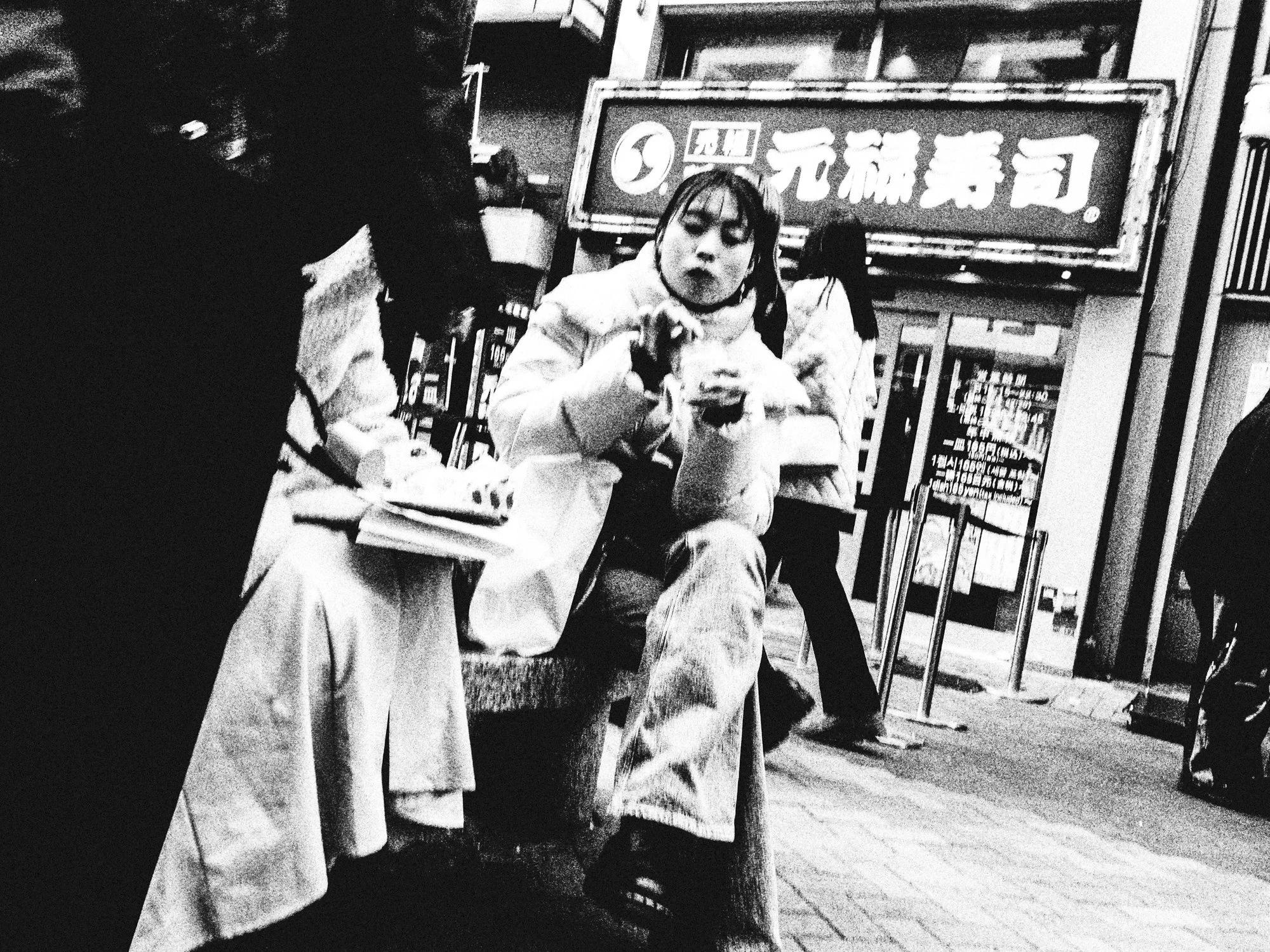
Japan has a way of overwhelming and calming you at the same time. In Osaka, I felt constantly pulled by the surface of things — signs, light, sound, movement, density. The city was alive in every direction. It was exciting, but also visually relentless. Later, in quieter places like Miyajima and Hiroshima, another rhythm emerged. Space opened up. Silence returned. I began to see differently.
The X Half belonged naturally to that experience because it never tried to dominate it.
It felt like a true snapshot camera, but not in a careless sense. It was playful, yes, but still demanding enough to keep me alert. It did not ask for perfection. It asked for attention. And that is a very different thing.
I think that is why I enjoyed it so much.
The camera is slow. Sometimes even frustratingly so. But it reminded me that slowness helps you see and feel. Instead of firing twenty frames and sorting meaning out later, I found myself thinking more carefully about a single image before taking it. The delay was not a flaw. It was a kind of resistance against automatic shooting. A small interruption that returned me to the moment.
And that, in the end, is what I had been missing.
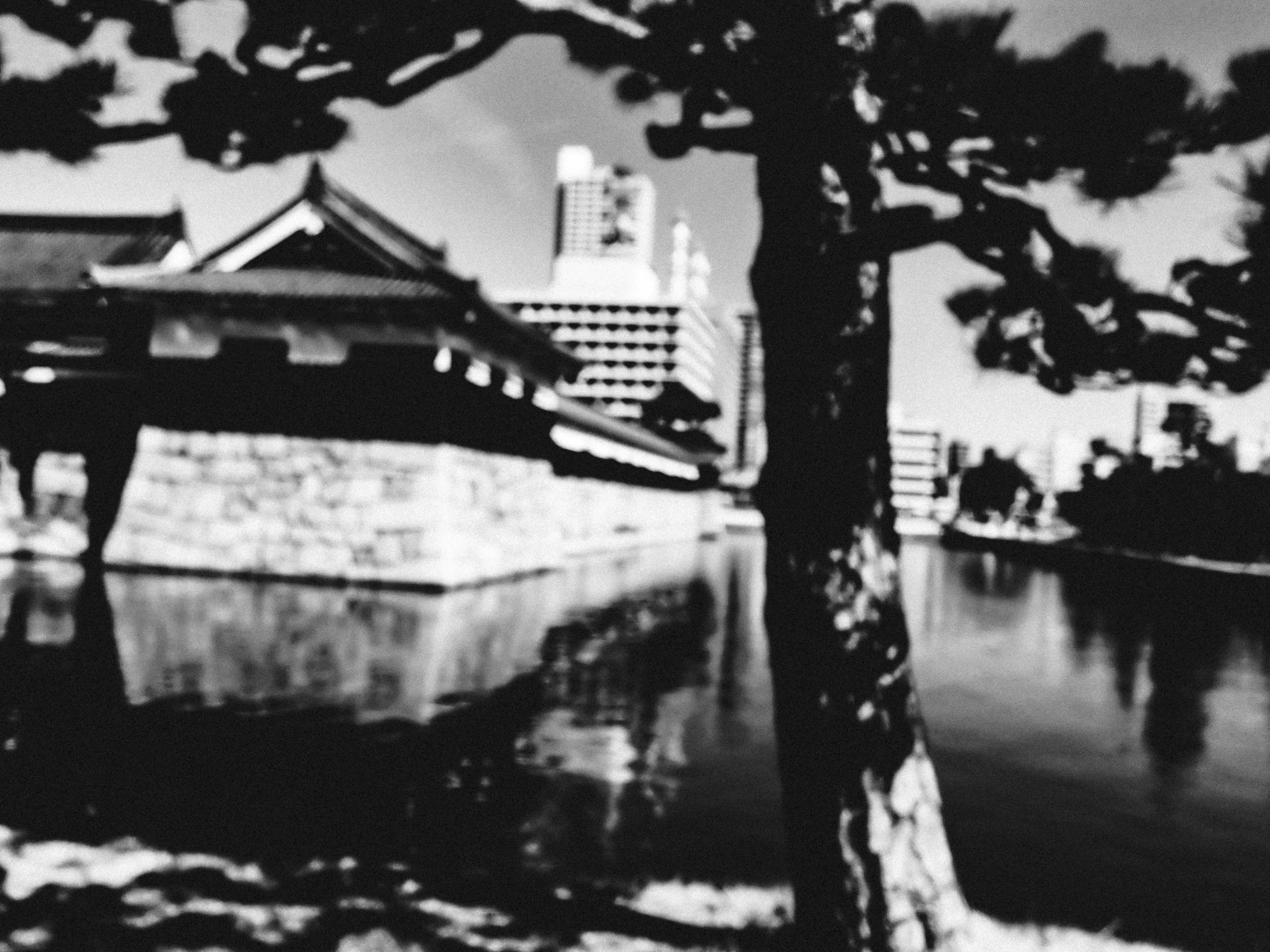
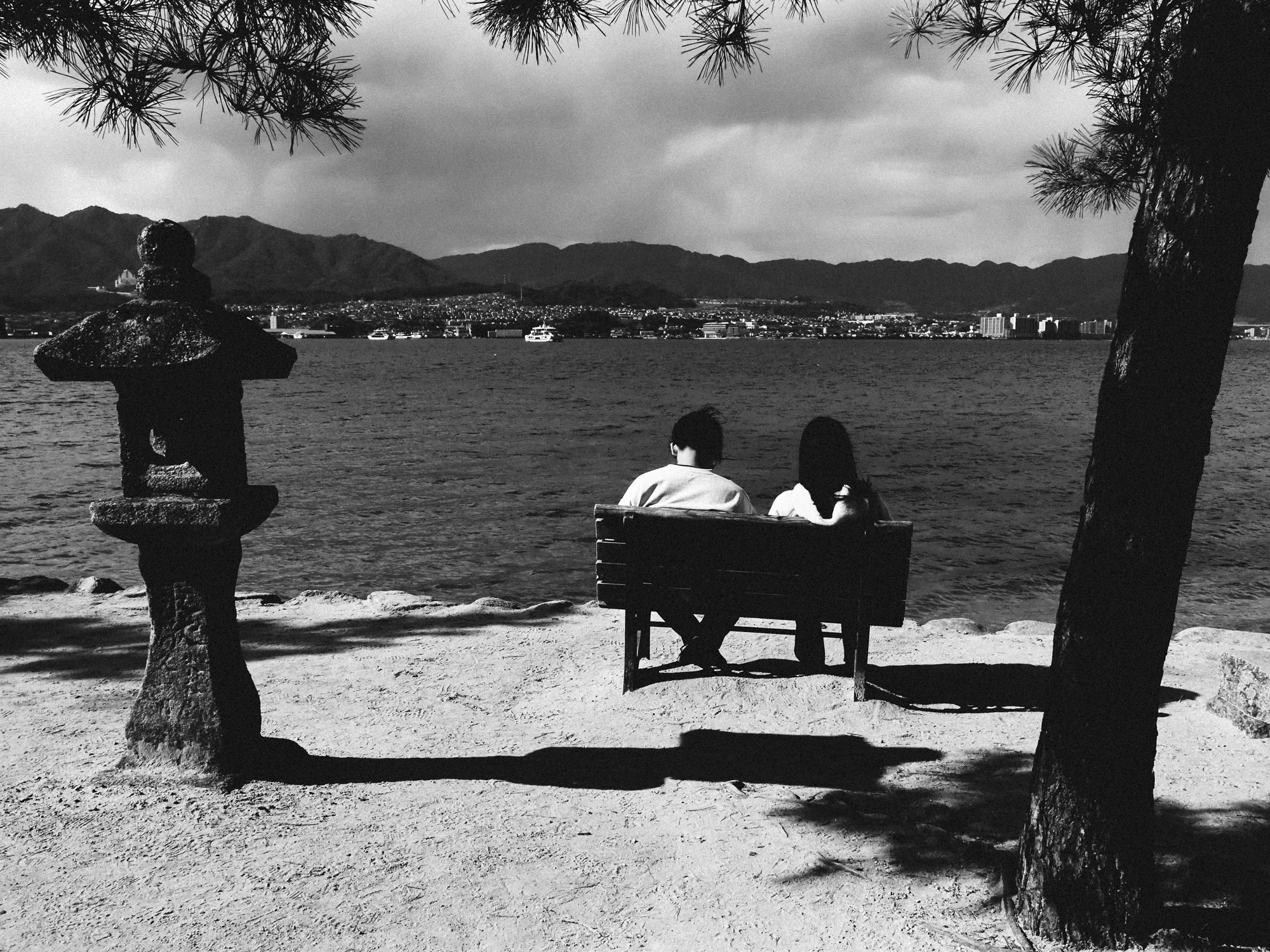
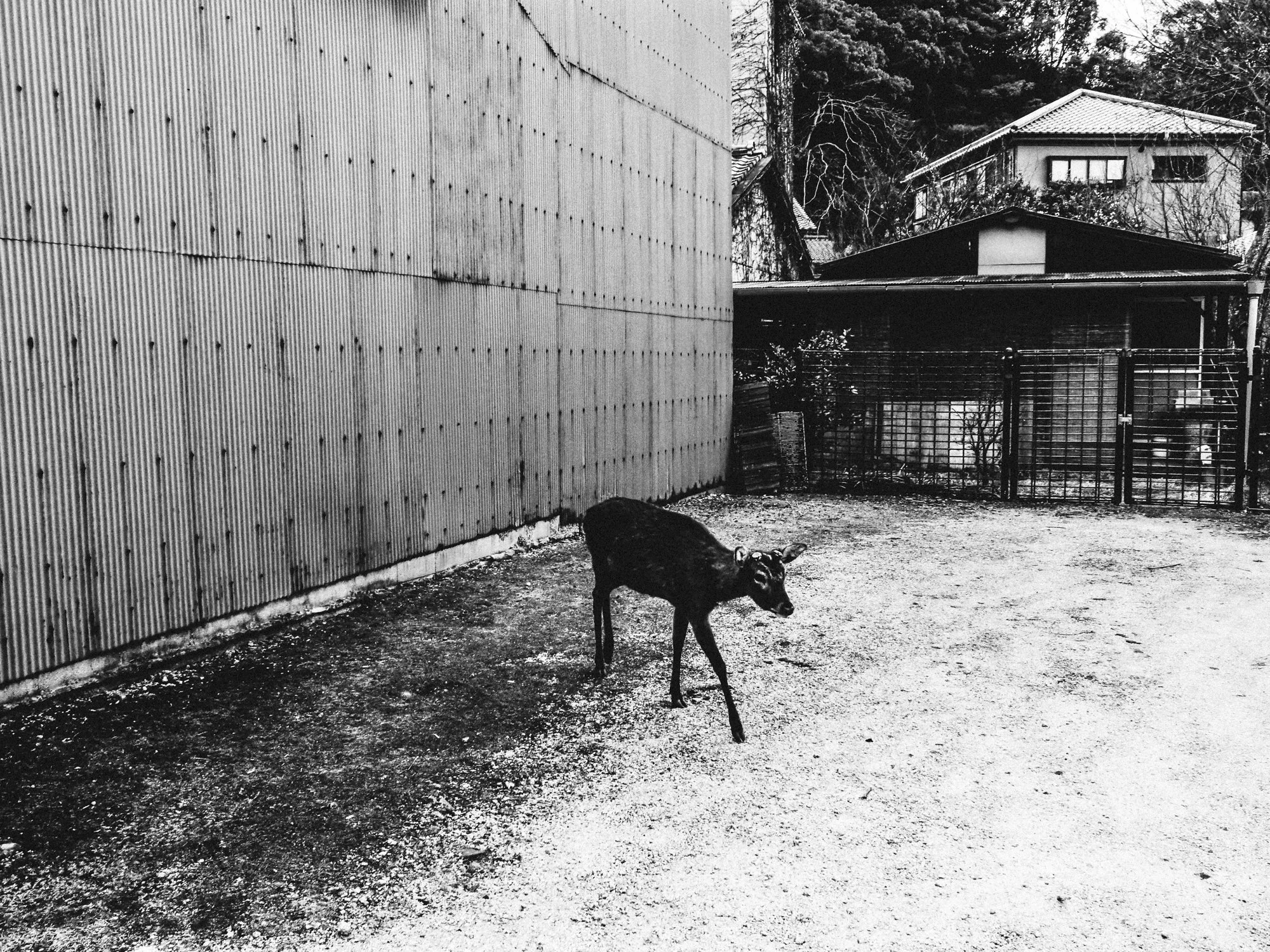
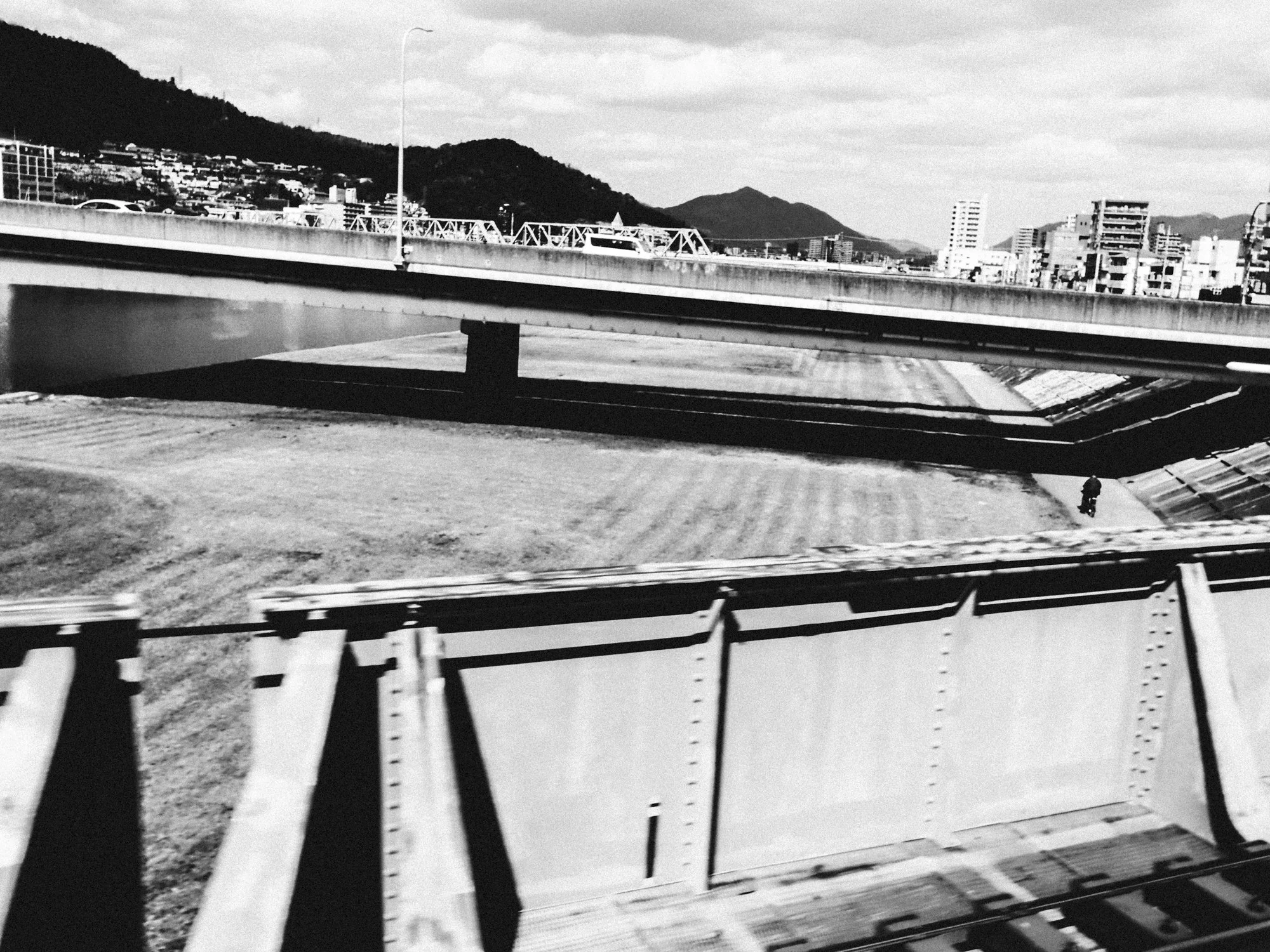
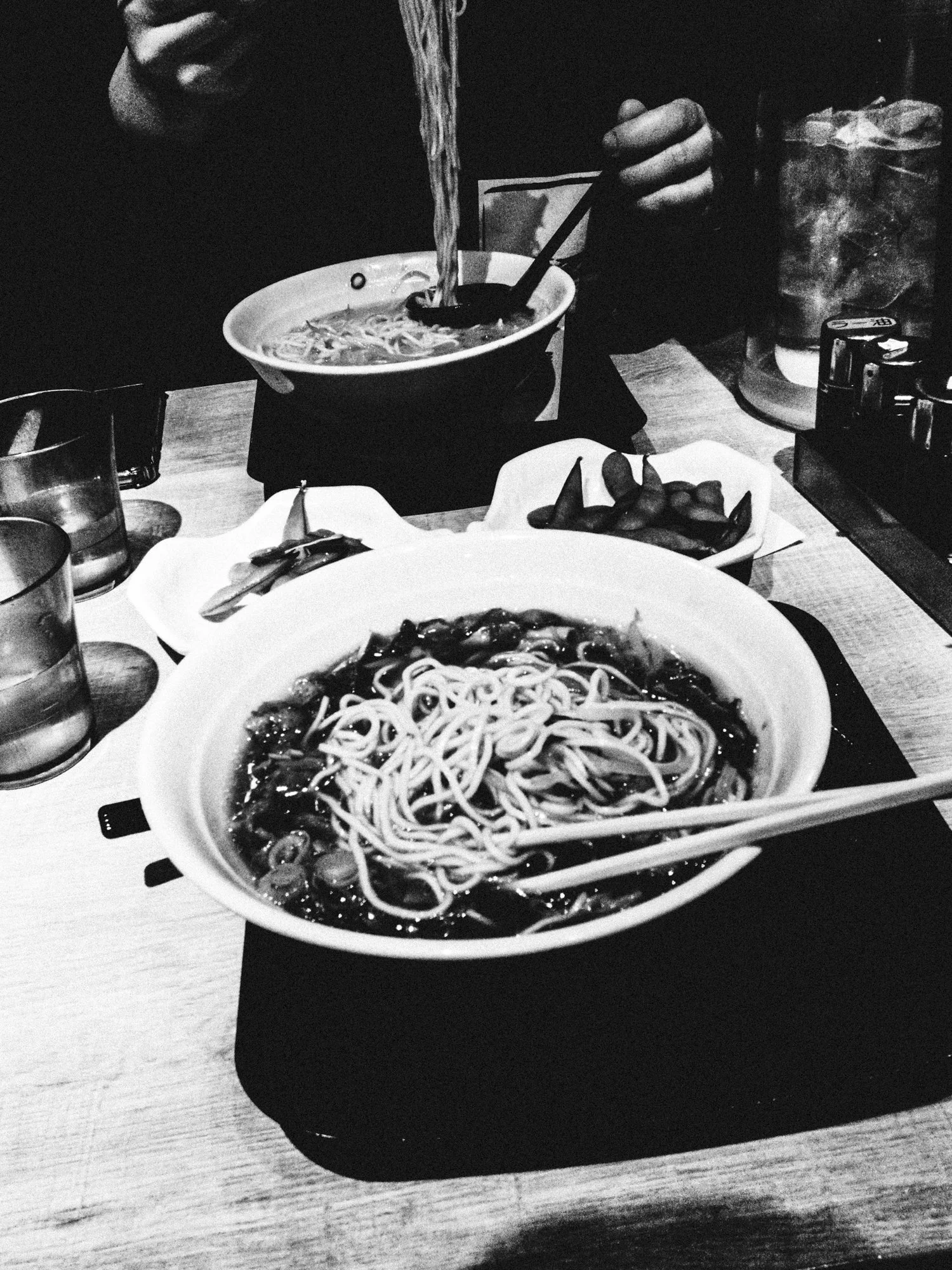
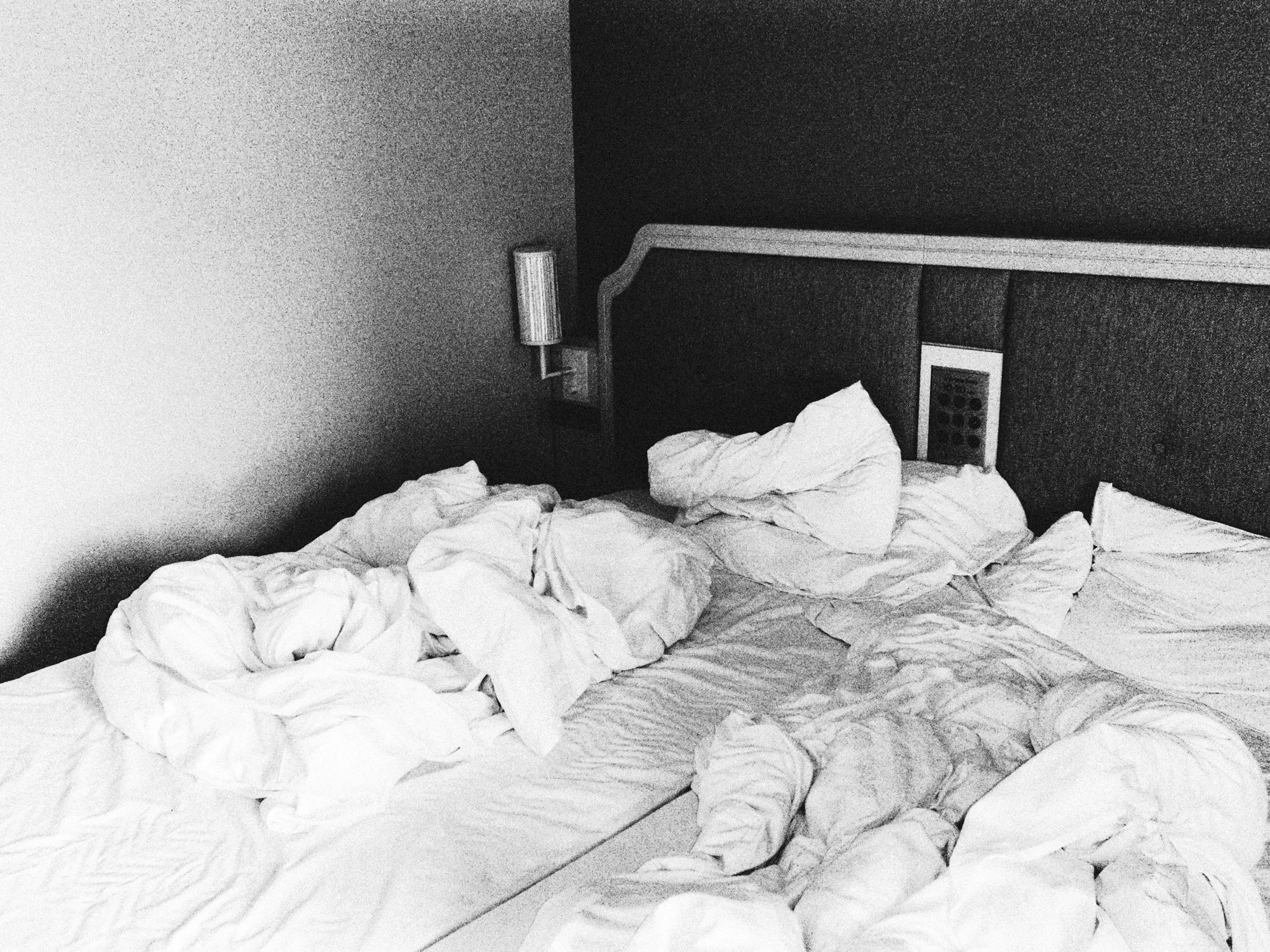
Not technical perfection. Not endless flexibility. Not another machine promising better sharpness, better speed, better everything. What I had been missing was a camera that could return me to the act itself. A camera that felt light enough to carry, but limited enough to make me care.
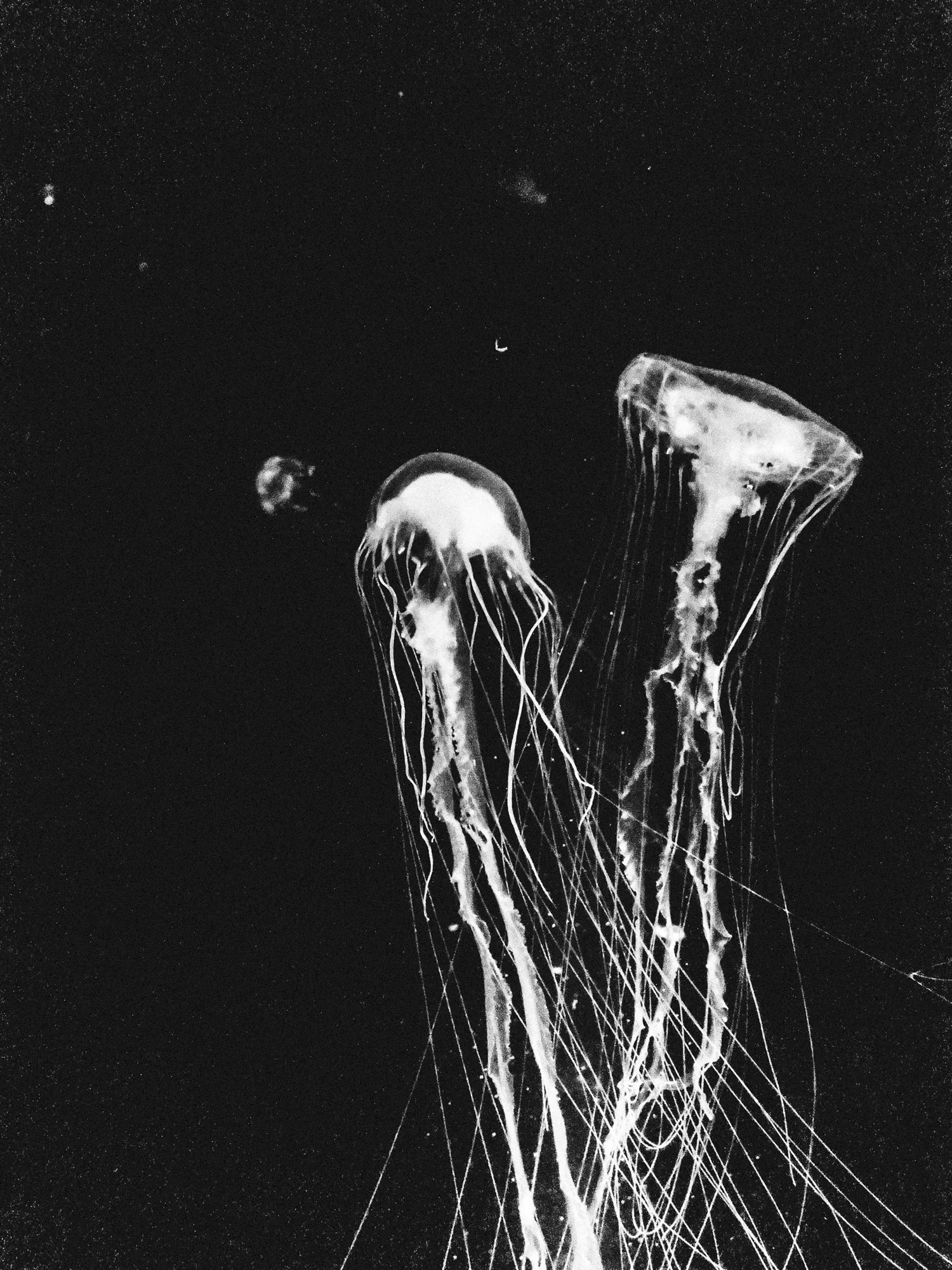
The images I made with it in Japan became a short story of their own. Small fragments. Quiet observations. A visual drift between noise and silence. Later, those photographs found their shape as After the Noise.
I think this is what the camera will remain for me: something I keep in my pocket for the snapshot that sparks future work, and for the memories gathered along the path I am walking.
That is perhaps the best thing I can say about the Fujifilm X Half.
It did not just record the trip.
It changed the way I moved through it.
